In a world where political debates often resemble a circus, the art of political critique emerges as a vital tool for understanding the chaos. It’s not just about pointing fingers or tossing around catchy slogans; it’s about dissecting policies and unveiling the truth behind the political curtain. Whether it’s a fiery election season or a mundane Tuesday, the need for sharp, insightful critique never fades.
Imagine a world where every citizen wields the power of informed opinion, armed with the ability to challenge the status quo. Political critique isn’t just for the pundits and scholars; it’s for anyone who’s ever rolled their eyes at a campaign ad or chuckled at a politician’s gaffe. By honing the skill of critical analysis, individuals can transform frustration into knowledge, turning political noise into meaningful dialogue.
Understanding Political Critique
Political critique plays a crucial role in shaping political discourse. It encompasses thorough analysis beyond surface-level criticism, allowing citizens to engage meaningfully with policies and societal issues.
Definition and Importance
Political critique refers to the analysis and evaluation of political structures, policies, and practices. This process enhances public understanding and promotes informed debate among citizens. Importance lies in empowering individuals to express their views while holding leaders accountable. Engaging in political critique cultivates critical thinking skills, fosters civic participation, and challenges existing power dynamics.
Historical Background
Historical context reveals the evolution of political critique as a discipline. Ancient philosophers, like Socrates and Plato, laid the groundwork through debates on ethics and governance. During the Enlightenment, thinkers such as Rousseau and Voltaire further advanced political critique by questioning social contracts and authority. In contemporary society, movements like feminism and civil rights have expanded political critique to include marginalized voices, highlighting systemic injustices and advocating for change.
Key Theoretical Frameworks
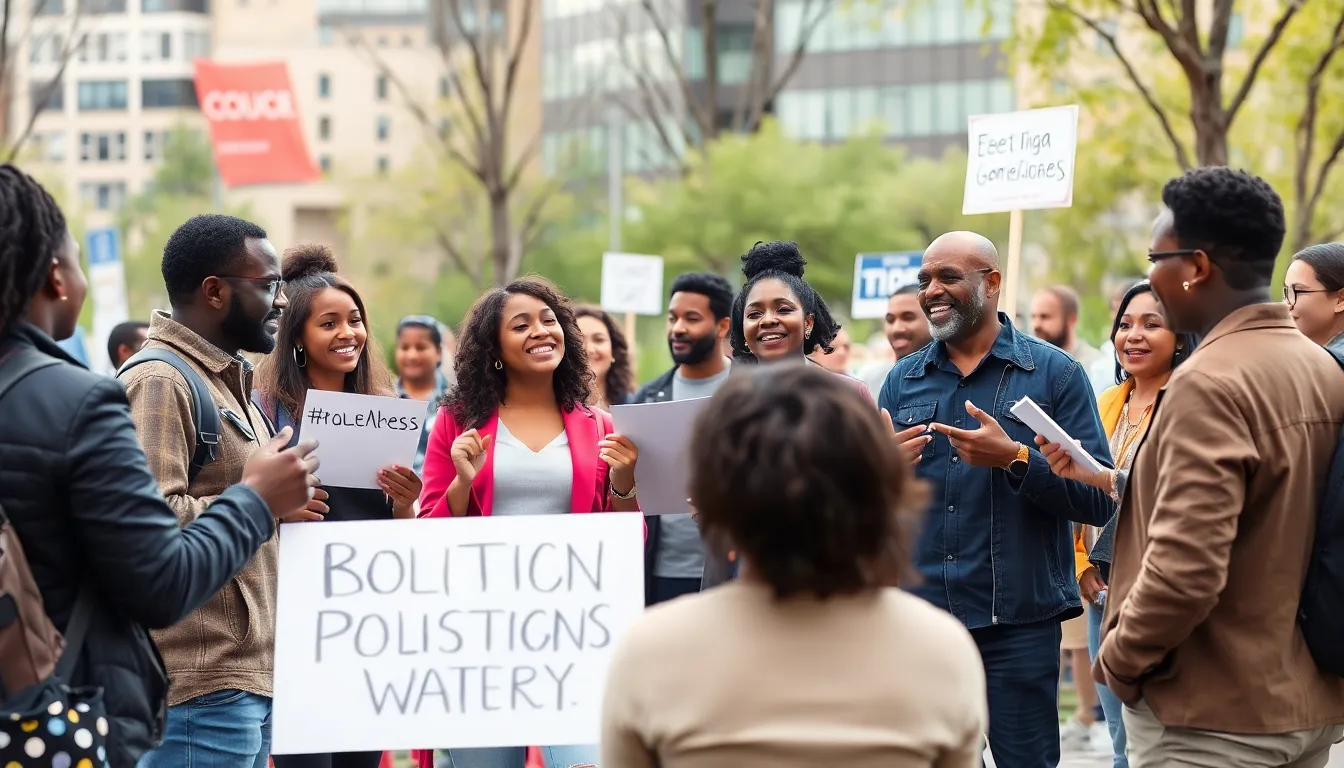

Several theoretical frameworks shape the landscape of political critique, offering varied lenses through which to analyze and evaluate political structures and practices.
Marxist Perspectives
Marxist perspectives examine the influence of capitalism on societal structures and political power. This framework argues that economic interests drive political actions and policy formulation. It emphasizes class struggles, following that the ruling class often exploits marginalized groups. Understanding these dynamics allows critics to reveal how economic hierarchies perpetuate inequalities and affect social justice. Such analysis encourages a focus on collective action as a means of transforming oppressive systems.
Feminist Approaches
Feminist approaches address the gendered aspects of political critique, highlighting how power dynamics disproportionately impact women and non-binary individuals. This perspective critiques traditional political theories for their lack of inclusivity and advocates for the representation of diverse voices in political discourse. It encourages analysis of policies that affect women’s rights, reproductive health, and economic opportunities. By focusing on intersectionality, feminist critiques reveal how various forms of oppression interconnect and shape the lived experiences of individuals across different identities.
Postcolonial Critique
Postcolonial critique challenges the lingering effects of colonialism on contemporary political systems and cultural identities. This framework underscores the importance of understanding how historical power dynamics influence current disparities. Critics examine the narratives constructed around race, ethnicity, and national identity. This perspective seeks to amplify the voices of formerly colonized peoples and deconstruct dominant narratives, fostering a more inclusive dialogue that recognizes diverse experiences and histories. Addressing these complexities enables more comprehensive political analysis and encourages solidarity across global struggles.
Methods of Political Critique
Political critique employs various methods to analyze and challenge political structures and practices. These methods enable individuals to engage meaningfully in political discourse.
Textual Analysis
Textual analysis focuses on dissecting political texts, speeches, and manifestos. This method examines the language, rhetoric, and symbolism used to convey political messages. By identifying underlying assumptions, one can uncover biases and ideologies present in the text. Analyzing primary sources reveals how political narratives shape public perception. Readers often interpret these texts differently based on their contexts, allowing for diverse perspectives. Understanding the nuances within a text promotes critical engagement with political content.
Media Criticism
Media criticism assesses how news outlets and social media platforms influence political discourse. This approach evaluates the portrayal of various issues, scrutinizing the framing and bias prevalent in reporting. By analyzing media content, critics can identify patterns that shape public opinion and political behavior. Observing which voices are amplified reveals the power dynamics within media representation. Social media, in particular, plays a pivotal role in shaping political narratives, often highlighting marginalized perspectives. Engaging with media criticism fosters a more informed public capable of challenging misinformation and advocating for equitable representation.
Examples of Political Critique in Action
Political critique manifests in various forms, illuminating issues and advocating for change. By examining specific instances, individuals can comprehend the potency and relevance of critique in today’s society.
Case Studies
One prominent case study involves protests surrounding the Black Lives Matter movement. Activists challenged systemic racism and police brutality through public demonstrations and social media campaigns. These actions highlighted injustices, compelling lawmakers to reconsider policies. Another example is the advocacy for climate change policies led by organizations like Greenpeace. Their critique of governmental inaction and corporate negligence pressured decision-makers to adopt stricter environmental regulations.
Impact on Policy and Society
Political critique significantly shapes policy reform and societal attitudes. Activism and criticism can inspire comprehensive legislative changes, as seen during the Women’s March, which brought attention to gender equality. This influential event urged lawmakers to initiate discussions on women’s rights. In addition, public critiques of economic inequality prompted debates on wealth redistribution. Heightened awareness of such disparities leads to calls for fair taxation and improved social services, demonstrating the tangible effects of informed critique in shaping society.