In a world where carrying cash feels like lugging around a dinosaur, cashless payments have swooped in like a superhero. Gone are the days of fumbling for coins or worrying about that crumpled dollar bill lurking at the bottom of your pocket. With just a tap or a swipe, buying that fancy coffee or snagging concert tickets has never been easier—or cooler.
Overview of Cashless Payments
Cashless payments include a variety of digital transaction methods. These methods encompass credit cards, mobile wallets, and online payment platforms. By eliminating the need for physical currency, cashless systems enhance purchasing efficiency. Users find convenience in making quicker transactions, especially in high-traffic locations such as stores and restaurants.
Security stands as a prominent advantage. Many cashless options employ encryption and authentication techniques, significantly reducing the risk of theft. With the rise of contactless payments, consumers can enjoy transactions by simply tapping their devices. Statistics show that in 2022, over 70% of Americans utilized some form of cashless payment.
Global trends reflect a shift toward cashless economies. Countries like Sweden and China lead the way, with significant percentages of their populations making daily purchases without cash. Businesses also benefit, as cashless payments streamline accounting processes and reduce handling costs associated with cash.
Accessibility contributes to the appeal of cashless payments. Users can often complete transactions anytime, anywhere, using smartphones or computers. Increased acceptance of mobile wallets in retail locations has been observed, enhancing the consumer experience further.
Regulatory developments continue to shape the cashless landscape. Governments and financial institutions work together to establish standards and regulations aimed at protecting consumers and ensuring secure transactions. As mobile payment innovations emerge, they are likely to redefine traditional banking and transaction methods.
Cashless payments offer convenience, security, and efficiency while adapting to the evolving needs of consumers. With growing acceptance and advancements in technology, cashless transactions are set to dominate the future of commerce.
Benefits of Cashless Payments

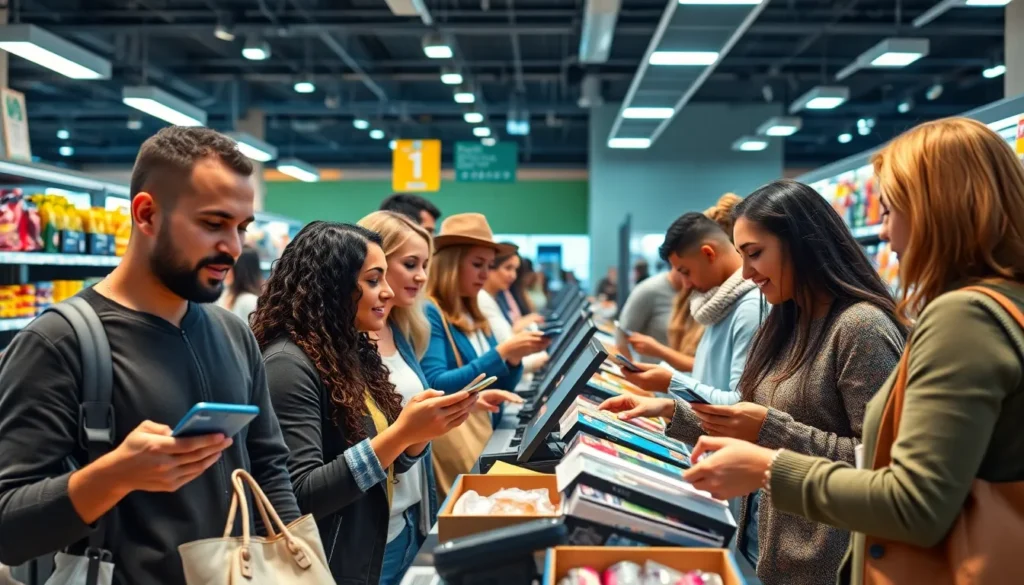
Cashless payments provide several advantages that enhance the purchasing experience.
Convenience and Speed
Convenience plays a significant role in cashless transactions. Users enjoy the ability to make purchases quickly, without the need to fumble for physical cash or coins. Mobile wallets and contactless cards allow instant payments, improving overall transaction speed. For example, consumers can complete purchases in seconds at checkout counters. During busy shopping hours, this speed becomes crucial for efficiency. Data in 2022 shows over 70% of Americans valued swift payments, indicating a clear preference for cashless methods. Overall, the convenience and speed of cashless options support a seamless shopping experience.
Enhanced Security Features
Enhanced security features represent a crucial benefit of cashless payments. Many digital payment systems use advanced encryption methods to protect transaction data. Authentication techniques, such as biometrics, create an additional layer of security, making unauthorized access more challenging. In 2022, studies indicated that cashless users felt more secure when making transactions. Reducing risks associated with cash handling diminishes theft probabilities effectively. Businesses also benefit from fewer instances of fraud, creating a safer environment for both vendors and consumers. Ultimately, these security measures bolster confidence in cashless transactions, leading to increased adoption.
Types of Cashless Payment Methods
Cashless payment methods encompass diverse options that simplify transactions for consumers. The following methods illustrate the various ways people spend without cash.
Credit and Debit Cards
Credit and debit cards dominate cashless transactions. Users appreciate the convenience of swiping or inserting cards at merchants. Security features, such as chip technology and PIN verification, enhance consumer confidence. In 2022, credit and debit card transactions accounted for over 50% of all payments in the United States. Businesses benefit too, as card payments streamline the checkout process, reducing wait times. Accepting cards attracts more customers who prefer electronic payments to cash.
Mobile Payment Apps
Mobile payment apps have gained immense popularity in recent years. Platforms like Apple Pay, Google Pay, and Samsung Pay allow users to make purchases directly from their smartphones. Users can link these apps to bank accounts or cards for seamless transactions. In 2022, mobile payments represented over 25% of total cashless transactions. Integrating digital wallets into online shopping further enhances convenience, letting consumers complete purchases in seconds. Merchants also enjoy lower transaction fees compared to traditional card processing.
Contactless Payments
Contactless payments offer a swift, efficient option for consumers on the go. This method involves using NFC technology, enabling transactions with a simple tap of a card or smartphone. Over 70% of retailers in the United States now accept contactless payments, reflecting its growing popularity. Users find this method particularly appealing during peak hours, as it reduces wait times significantly. Enhanced security measures, like tokenization, ensure user data remains secure during transactions. With contactless payment adoption on the rise, its presence in daily commerce continues to expand.
Challenges and Concerns
Cashless payments introduce several challenges and concerns that warrant attention. These include accessibility issues and threats to security.
Digital Divide
Accessing cashless payment systems isn’t equal for everyone. Many individuals, particularly those in low-income areas, lack reliable internet access or smartphones. This gap restricts their ability to participate in a cashless economy. In fact, studies show nearly 15% of U.S. households do not have internet access. Older generations may struggle with technology, limiting their engagement with digital payment platforms. Furthermore, socio-economic differences contribute to this divide, creating barriers to entry for certain groups. Ensuring inclusivity in cashless transactions remains a significant challenge.
Security Risks and Fraud
Security risks associated with cashless payments pose a significant concern. Cyberattacks targeting digital payment systems have increased, leading to data breaches and identity theft incidents. Approximately 49% of U.S. consumers express worry about fraud when using cashless options. Phishing schemes and malware also threaten users, as attackers exploit vulnerabilities in mobile wallets and payment apps. Though many digital payment systems incorporate advanced encryption, no solution eliminates risk entirely. Building consumer confidence in these technologies requires ongoing efforts to improve security measures and educate users on safeguarding their information.
Future of Cashless Payments
The future of cashless payments promises continued growth and innovation across various sectors. Technological advancements drive changes, making transactions faster, more secure, and increasingly convenient.
Technological Innovations
Emerging technologies continually enhance cashless payment methods. Blockchain technology allows for secure, decentralized transactions, increasing trust among users. Artificial intelligence improves fraud detection systems, reducing security risks during transactions. Mobile wallets evolve with features like loyalty programs and budget trackers, offering users added incentives. Additionally, biometric authentication methods, such as facial recognition or fingerprint scanning, create a seamless payment experience while safeguarding data. With 70% of Americans using cashless options in 2022, these innovations are crucial in meeting consumer demands and expectations.
Regulatory Changes
Government regulations influence the landscape of cashless payments significantly. Authorities establish standards and guidelines aimed at protecting consumer data and ensuring secure transaction environments. The Financial Crimes Enforcement Network (FinCEN) sets forth rules that impact digital currencies and cryptocurrencies, further shaping the cashless economy. Organizations like the Payment Card Industry Security Standards Council (PCI SSC) contribute to enhancing security frameworks applicable to cashless transactions. As regulations evolve, they promote consumer confidence and encourage adoption among businesses. The ongoing collaboration between governments and financial institutions facilitates a more secure cashless payment ecosystem, paving the way for its bright future.
The shift towards cashless payments is undeniable and continues to reshape the landscape of commerce. With convenience speed and enhanced security at the forefront consumers are embracing these digital solutions. As technology evolves so too will the methods of payment making transactions even more seamless and secure.
Businesses stand to gain significantly from adopting cashless systems streamlining operations and reducing costs. While challenges remain particularly concerning accessibility and security the overall trajectory points toward a future where cashless payments dominate. The collaboration between regulatory bodies and financial institutions will be essential in fostering a secure environment for all users. Embracing this change not only benefits consumers but also paves the way for a more efficient and connected economy.