Choosing the right gas for a lawn mower might seem like a trivial task, but it’s a decision that can make or break your mowing experience. Imagine the horror of pulling that starter cord only to hear the dreaded sputter instead of a smooth roar. It’s like trying to fuel a sports car with lemonade—just not gonna work!
Understanding Lawn Mower Gasoline
Selecting the right gasoline for a lawn mower affects performance and longevity. Knowledge about available fuel options ensures optimal operation.
Types of Gasoline for Lawn Mowers
Gasoline types include regular unleaded and premium options. Most manufacturers recommend using regular unleaded gas with an octane rating of 87. Some high-performance mowers benefit from premium fuel for better combustion. Ethanol-blended fuels, like E10, contain up to 10% ethanol and can be suitable for many lawn mowers. Operators should avoid fuels with higher ethanol content, as they can cause engine damage.
Octane Rating Explained
Octane rating indicates a fuel’s resistance to knocking during combustion. Standard gasoline typically has an octane rating of 87, balancing performance and affordability. Some lawn mower engines require higher octane ratings due to compression differences. Using a fuel with an appropriate octane rating enhances fuel efficiency and prevents engine issues. Consulting the owner’s manual confirms the specific octane requirement for compatible operation.
Factors to Consider
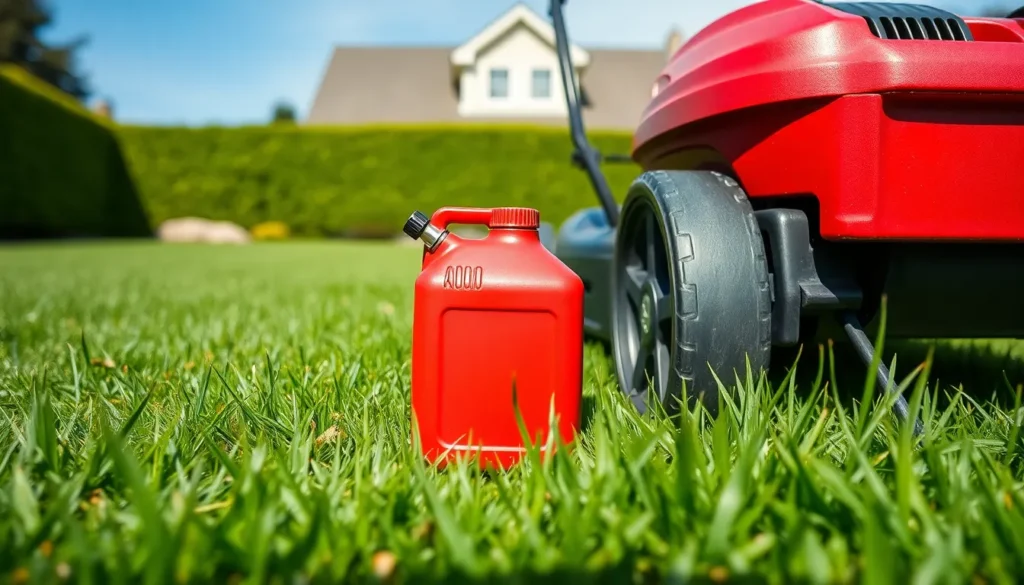
Selecting the right gas for a lawn mower involves several important factors. Understanding these elements ensures optimal performance and longevity.
Engine Requirements
Engine requirements play a crucial role in fuel selection. Many lawn mower manufacturers specify regular unleaded gasoline with an octane rating of 87. High-performance models may require premium gasoline, which offers additional benefits. Consulting the owner’s manual confirms specific fuel recommendations for each mower. Ethanol-blended fuels, such as E10, are generally acceptable but should be used cautiously. Avoiding fuels with higher ethanol content is essential, as they can cause engine damage over time. Keeping track of these requirements helps maintain mower efficiency and extends its lifespan.
Local Regulations
Local regulations also influence fuel choice for lawn mowers. Some regions outlaw the use of certain fuel types to minimize environmental impact. Familiarity with local regulations aids in selecting compliant fuels. Moreover, understanding emissions guidelines prevents potential fines or penalties. Compliance contributes not only to environmental protection but also to the overall performance of the lawn mower. Adhering to these regulations reflects responsibility toward both the community and the equipment.
Best Gasoline Options
Selecting the right gasoline type enhances mower performance and durability. Two primary options exist: regular unleaded gasoline and premium gasoline.
Regular Unleaded Gasoline
Regular unleaded gasoline typically features an octane rating of 87, making it suitable for most lawn mower engines. Many manufacturers recommend this fuel, ensuring reliable performance and efficiency. Using this type of gas helps avoid engine knocking during combustion, enhancing fuel efficiency. It’s essential to check the owner’s manual for specific recommendations, as most mowers function optimally with regular unleaded. This common gas type also simplifies the refueling process, as it is widely available at gas stations.
Premium Gasoline
Premium gasoline offers a higher octane rating, generally around 91 or 93, benefiting high-performance lawn mowers. Some manufacturers suggest this option for specific models to prevent engine knocking and improve overall performance. Despite its advantages, this type of fuel comes at a higher price point. Users can gain additional benefits, such as better fuel combustion and residue reduction, which lead to cleaner engine operation. Always verify with the mower’s owner’s manual to ensure that premium gasoline aligns with engine specifications for optimal use.
Ethanol Content in Gasoline
Ethanol content in gasoline plays a significant role in lawn mower performance. It influences engine efficiency and durability.
Risks of High Ethanol Levels
High ethanol levels pose several risks for lawn mower engines. Ethanol can attract moisture, leading to fuel separation and possible corrosion within the fuel system. Engines may experience reduced power and increased likelihood of misfires when using fuel with excessive ethanol content. Furthermore, higher ethanol blends can damage rubber and plastic components in the engine over time. Many manufacturers advise against using fuels containing more than 10% ethanol, particularly for small engines like those found in lawn mowers. These risks highlight the importance of checking ethanol levels before refueling.
Recommended Ethanol Percentage
The recommended ethanol percentage for lawn mowers typically stays at 10% or lower. Most manufacturers endorse gasoline with up to E10, which means it contains 10% ethanol. Using this blend ensures compatibility with various mower engines while minimizing risks of damage. Some mowers may run on pure gasoline, reducing issues associated with ethanol altogether. Operators should always consult the owner’s manual for specific recommendations on fuel to ensure compliance with manufacturer guidelines. Utilizing the right ethanol percentage contributes to efficient mowing and prolongs the engine’s lifespan.
Maintenance Tips for Lawn Mowers
Maintaining a lawn mower ensures its efficiency and longevity. Every aspect of care, including fuel quality and storage, affects performance.
Importance of Fuel Quality
Fuel quality directly impacts lawn mower performance. Regularly using high-quality fuel prevents engine knocking and enhances efficiency. Opting for gasoline with an octane rating of at least 87 is essential for most mowers. Premium options provide benefits for high-performance engines, contributing to better combustion. Avoiding fuels with high ethanol content is crucial since they can attract moisture and cause corrosion. Manufacturers typically recommend E10 fuel, which contains up to 10% ethanol. Consulting the mower’s owner’s manual helps confirm acceptable fuel types. Quality fuel leads to a smoother mowing experience and extends engine life.
How to Store Gasoline Safely
Storing gasoline properly is vital for safety and engine health. Using a clean, approved fuel container minimizes contamination risks. Keeping the container in a cool, well-ventilated area protects it from heat and potential fire hazards. Fill containers to around 95% capacity to allow for expansion without overflowing. Always label containers clearly to avoid confusion with other liquids. Disposing of old gasoline, which degrades over time, prevents engine performance issues. It’s essential to follow local regulations for hazardous waste as well. Safe storage practices contribute to responsible lawn mower maintenance.
Choosing the right gas for a lawn mower is essential for optimal performance and engine longevity. Regular unleaded gasoline with an octane rating of 87 is suitable for most mowers while premium options may be necessary for high-performance models. It’s crucial to avoid fuels with high ethanol content to prevent potential engine damage.
Operators should always refer to the owner’s manual for specific fuel recommendations and consider local regulations regarding fuel types. Maintaining proper fuel quality and storage practices further enhances mower efficiency and lifespan. By making informed choices about fuel, users can ensure a smoother mowing experience and contribute to the overall health of their equipment.